Best AI Workflow Automation Courses for Beginners
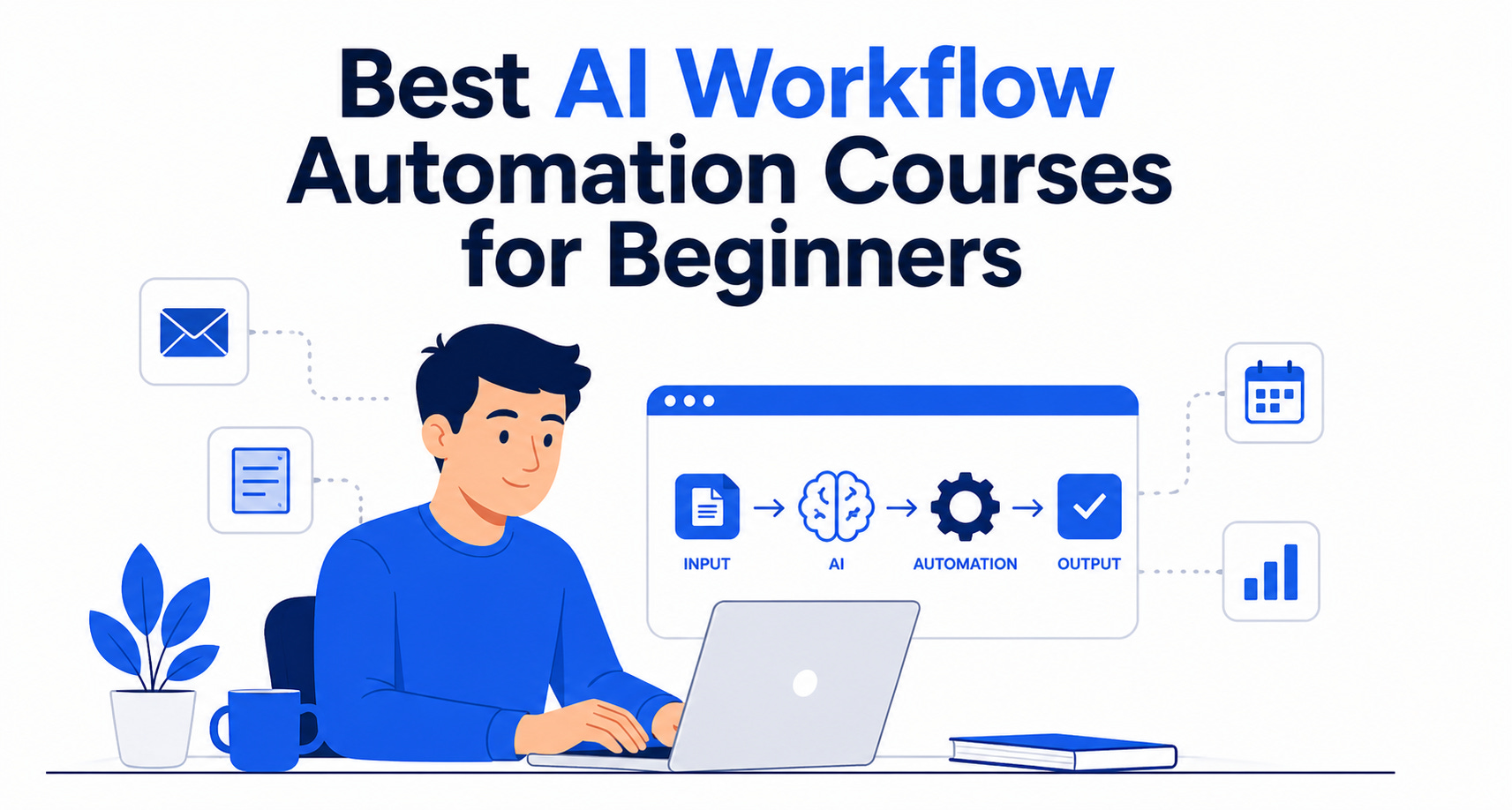
If you’re still using AI just to “generate content,” you’re barely scratching the surface.
The real advantage comes when AI starts doing work for you automatically-handling repetitive tasks, connecting tools, and running processes without constant input. That’s what AI workflow automation is about. And beginners who learn this early gain a serious edge.
But here’s the problem: most people try to learn automation by watching random tutorials or jumping into tools like Zapier without understanding how workflows actually work. That’s why they quit halfway.
If you want real results, you need the right starting point-and the right course.
Why Most Beginners Fail at AI Automation
Let’s be honest. The issue isn’t lack of tools. It’s a lack of clarity.
People open automation tools, connect a few apps, and expect magic. Instead, they get broken workflows, messy outputs, and confusion.
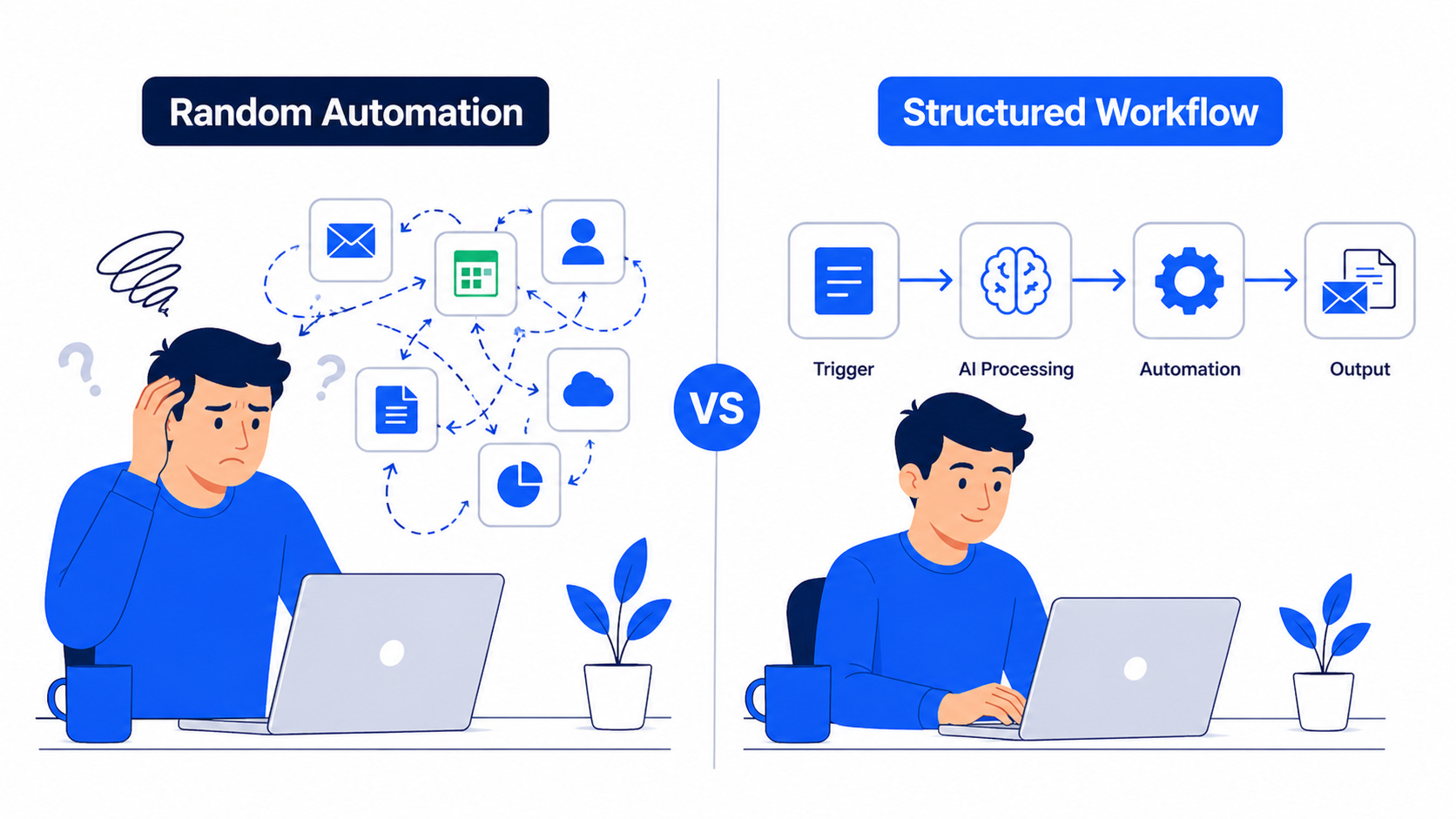
That happens because they skip one important thing: thinking in systems.
Automation is not about tools. It’s about flow.
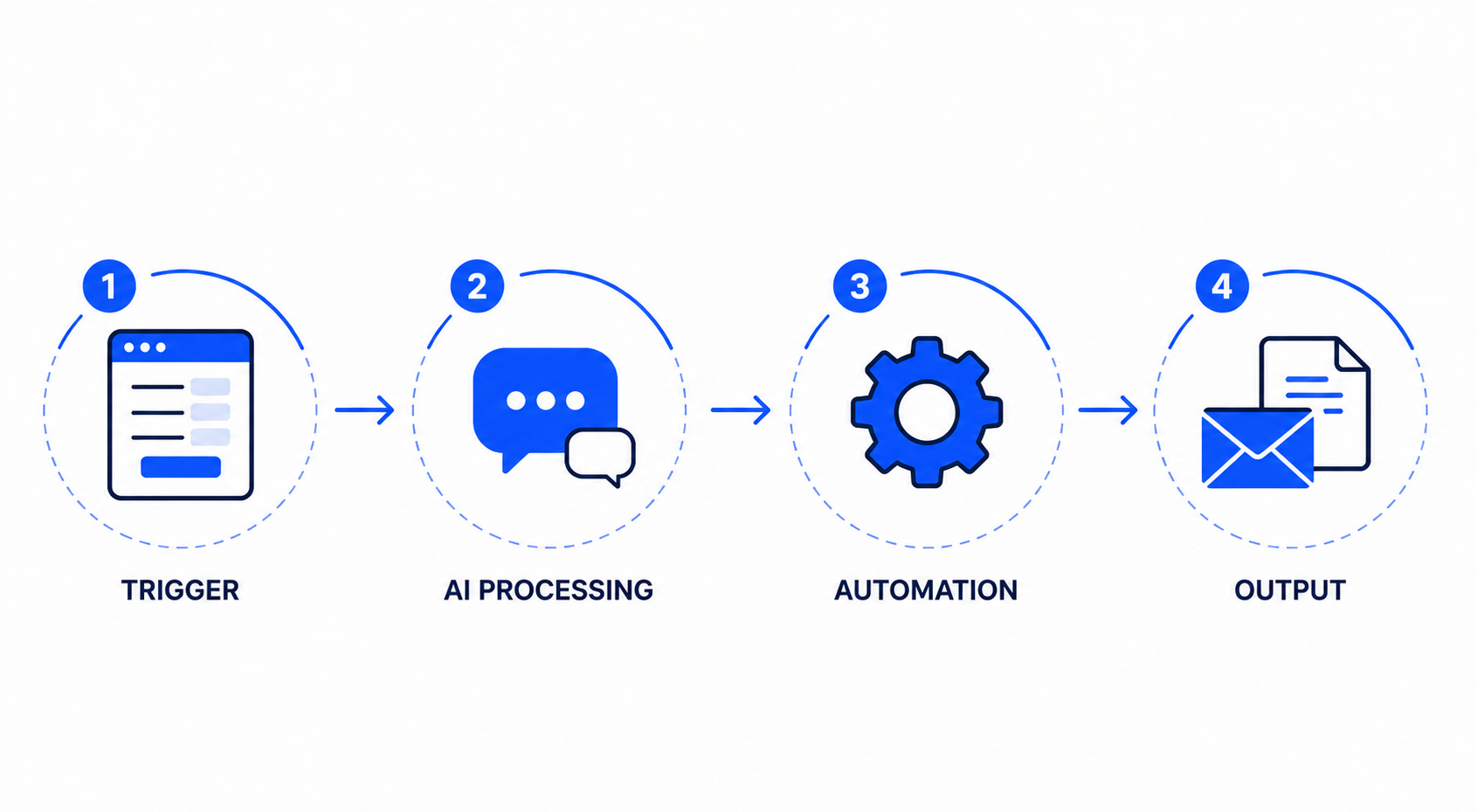
What triggers the task?
What does AI do in the middle?
What happens to the output?
A good course teaches this thinking first. Without it, even the best tools won’t help.
The Best Starting Point for Beginners
If you’re serious about learning this skill properly, start with Speedchat AI Academy.
What makes it different is the focus on real workflows instead of just theory. You’re not just learning prompts—you’re learning how to build systems that actually save time in daily work.
Instead of overwhelming you with tools, it walks you through:
How to structure simple workflows
How to use AI inside automation (not separately)
How to turn repetitive tasks into repeatable systems
For beginners, this approach makes a huge difference. You don’t just learn—you apply immediately.
This is also where you can naturally place your backlink anchor like:
AI workflow automation course for beginners (link to your page)
Other Beginner-Friendly Platforms Worth Exploring
Once you understand the basics, you can expand with platforms like Udemy or Coursera. They offer a wide range of courses, but you need to be selective.
Most courses there fall into two categories:
Too basic (only theory or definitions)
Too advanced (jump straight into APIs and coding)
Look for courses that include real projects like:
Lead generation workflows
Content automation pipelines
Email personalization systems
If it doesn’t show how to build something real, skip it.
What a Good Automation Course Should Actually Teach
A valuable course doesn’t just explain—it changes how you work.
Instead of doing tasks manually, you start designing processes.
For example, imagine this workflow:
A form submission triggers → AI qualifies the lead → personalized email is generated → CRM is updated automatically.
That’s a basic automation system. But it saves hours every week.
A strong beginner course should teach you how to:
Break tasks into steps
Add AI at the right stage
Connect tools logically
Improve outputs over time
Once you understand this, you can automate almost anything.
High-Impact Use Cases You Should Learn First
Not all automation is equal. Some workflows give instant ROI, especially for beginners.
Focus on these first:
1. Content Repurposing System
Turn one blog into LinkedIn posts, tweets, and emails automatically.
2. Lead Capture + Follow-up Automation
Capture leads → qualify with AI → send personalized responses instantly.
3. Research + Summary Workflow
Input long content → AI extracts insights → formats into usable output.
4. Daily Task Automation
Automate repetitive tasks like reporting, scheduling, and updates.
These are practical, easy to build, and immediately useful.
Tools You’ll Likely Learn (Without Overwhelm)
Most beginner courses introduce tools like:
No-code automation platforms
AI tools for text generation
Integration tools for connecting apps
But here’s the key: tools don’t matter as much as logic.
Once you understand workflows, you can switch tools anytime.
That’s why structured learning matters more than tool-based learning.
Common Beginner Mistakes to Avoid
This is where most people waste time:
They try to automate everything at once.
Start small instead.
Another mistake is copying workflows without understanding them. You might get something working, but you won’t be able to fix or improve it.
Also, don’t rely on AI blindly. Always review outputs—automation is only as good as your input and structure.
How Long Does It Take to Learn?
You don’t need months.
If you follow a structured approach, you can:
Understand basics in a few days
Build simple workflows within a week
Start saving real time within 2–3 weeks
The difference comes down to practice.
Watching tutorials won’t help. Building will.
Final Thoughts
Learning automation right now is like learning Excel 15 years ago. The earlier you start, the bigger your advantage.
The best AI workflow automation course for beginners is not the one with the most videos. It’s the one that gets you building real systems quickly.
Start with a structured platform like Speedchat AI Academy, focus on real use cases, and keep improving your workflows.
Once you get it, you’ll never go back to manual work again.


Comments
Post a Comment